
STARS Spotlight: USask Students Put Stewardship into Practice
STARS alum Ali Khan and Meet Patel share how they created opportunities for practical learning during pre-clinical training at the University of Saskatchewan.
STARS Spotlight: U of S Students Put Stewardship into Practice
STARS alum Ali Khan and Meet Patel share how they created opportunities for practical learning during pre-clinical training at the University of Saskatchewan.
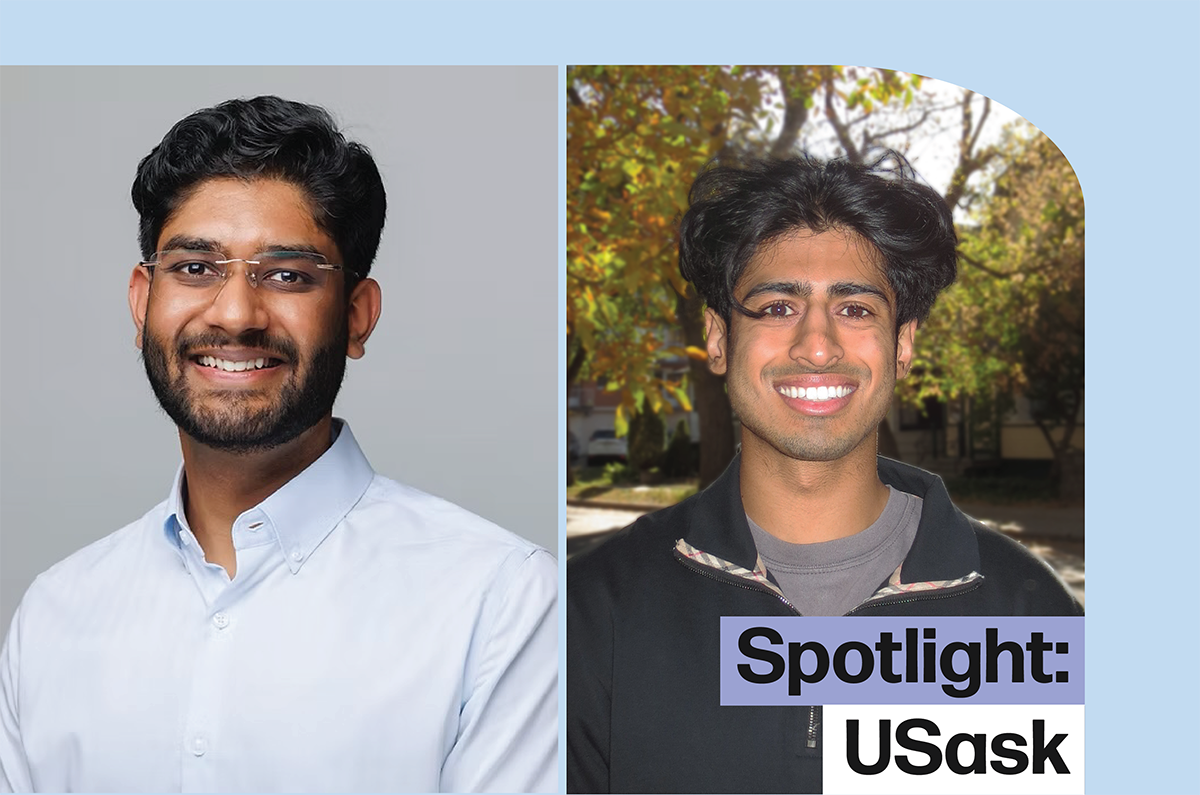
At the University of Saskatchewan, two medical students are showing that resource stewardship is not learned through lectures alone. Ali Khan and Meet Patel, student leaders in the Students and Trainees Advocating for Resource Stewardship (STARS) program, put these concepts into practice by organizing skills nights and campus blood drives, giving peers hands-on opportunities to build practical skills during pre-clinical training.
As 2024-25 student leaders, Ali and Meet organized a year-end skills night for first- and second-year medical students preparing for the Objective Structured Clinical Examinations, which allow students to demonstrate clinical skills in standardized scenarios. Partnering with student interest groups in anesthesia, ultrasound, and pediatrics, Ali and Meet created stations where students practiced clinical skills, completed short quizzes, and applied Choosing Wisely recommendations. With decision-making prompts embedded throughout, attendees learned how to integrate stewardship principles across a variety of topics and scenarios. Faculty support and cross-disciplinary collaboration made the event both engaging and educational, giving students practical experience they could carry beyond the exams.
“My interest in resource stewardship began after realizing how often unnecessary tests or treatments can lead to patient anxiety, longer hospital stays, or increased costs without improving outcomes,” shares Meet. “By engaging fellow students in tangible events like the skills night, we had the opportunity to positively impact patient outcomes early on in medical training.”
Campus events also brought stewardship principles outside of the classroom. In partnership with Canadian Blood Services, Ali and Meet organized a blood drive that highlighted both the importance of donating and the need to use every donation wisely. They paired the drive with discussions and short presentations on appropriate transfusion practices, showing how careful decision-making ensures patient safety and reduces low-value care. The sessions were open to all students, including those who could not donate.
“This event was especially meaningful to me,” says Ali, reflecting on his undergraduate project on Using Blood Wisely that first sparked his interest in Choosing Wisely. “It fostered community spirit among our peers and showed the importance of conserving this precious resource. We hope to make it an annual event.”
Now that their STARS tenure has ended, Ali and Meet are turning to innovation in practice. They are developing a machine learning model to improve screening for retinopathy of prematurity. The model aims to reduce unnecessary screenings while ensuring at-risk infants are identified.
“Beyond research, we also continue to advocate for resource-conscious decision-making among our peers, whether that’s through discussions in clinical settings or integrating Choosing Wisely into educational events,” they explain. “We believe that combining innovation with everyday mindfulness about testing and treatment decisions is key to building a more sustainable and patient-centred health care system.”
By putting stewardship into practice, Ali and Meet showed that real learning happens when students experience the impact of their decisions. This helps prepare future resource stewardship leaders in making thoughtful, patient-centred choices throughout their careers.