
Society Success Spotlight: Addressing the Climate Impact of Inhalers
Drs. Geneviève Digby and Samir Gupta share their work with the Canadian Thoracic Society to address the climate impact of respiratory medicine.
Society Success Spotlight: Addressing the Climate Impact of Inhalers
Drs. Geneviève Digby and Samir Gupta share their work with the Canadian Thoracic Society to address the climate impact of respiratory medicine.
Climate change is a global health threat that will impact all of us. Dr. Geneviève Digby and Dr. Samir Gupta, respirologists and members of the Canadian Thoracic Society (CTS), know that their patients will disproportionately feel that impact. As Chair of the CTS Choosing Wisely Canada Working group, and past chair of the Canadian Respiratory Guidelines Committee respectively, the pair sought to address this inequity and reduce the carbon footprint of respiratory medicine, by developing a climate-focused conversation aid for inhaler selection and conducting a community survey.
“In respiratory medicine, we recognize that not only are our patients disproportionately affected by the climate crisis,” explains Dr. Digby, “but the therapies that we prescribe for managing diseases such as asthma and Chronic Obstructive Pulmonary Disease (COPD) also have a climate footprint themselves.”
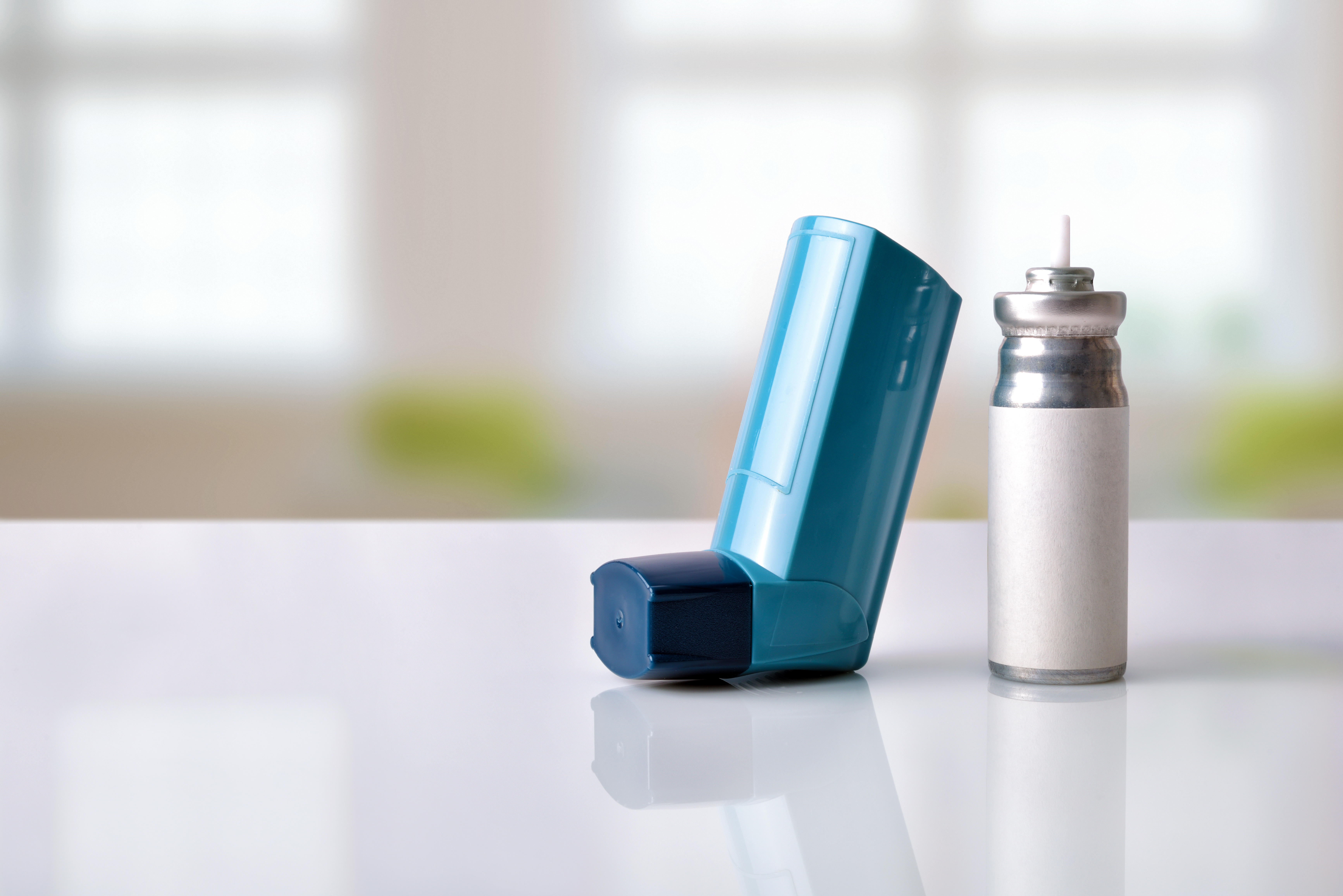
She is referring to frequently prescribed metered-dose inhalers (MDIs), many of which have high greenhouse gas emission potential. Meanwhile, dry powder and soft-mist inhalers have an ecological footprint 10 times smaller than their MDI counterparts and are similarly effective in most cases. In 2024, the CTS developed a climate-conscious recommendation, advocating for replacing MDIs with the more sustainable powder inhalers whenever possible. Supported by Choosing Wisely Canada’s society grants program; the team was inspired to create a point-of-care knowledge translation tool to optimize this consideration at the time of inhaler prescription.
To create a tool that would benefit both patients and providers, it was crucial that they involve those partners in the development process and get everyone around the table. “Our philosophy is integrated knowledge translation,” shares Dr. Gupta. “If we have any chance that patients are going to buy into, believe in, and find it useful, hey need to be at the table when you’re developing it, so it really was co-development, with patients who use inhalers.”
They made sure to engage different types of physicians and clinical staff involved in the respiratory circle of care, such as cardiopulmonary technologists, nurses and respiratory therapists. In this process, they became aware of a lack of data on whether and to what extent patients, or even providers, had knowledge of the role that respiratory therapies play in the climate crisis.
“We decided we needed an environmental scan to understand the state of affairs, and that would help us to then drive change and design better interventions,” Dr. Gupta explains.
The team created two surveys – one for patients and another for providers. Each one received over 400 responses from a wide variety of respondents, including clinicians and allied health professionals across Canada. Preliminary results reveal that many patients are unaware of the carbon footprint of their medications. More importantly, after becoming aware, they are interested in reducing their climate impact. On the provider side, there was far more awareness, but also many barriers to action in real-world practice. Some passionate respondents even advocate for a blanket ban on MDIs, but Dr. Digby warns against this, as forcing a switch can worsen disease control, and exacerbate climate impact through carbon-intensive events such as emergency room visits and hospital admissions.
Instead, tools like the conversation aid can help patients and providers to feel more comfortable engaging in discussions about climate-conscious treatment options. Wanting to assess the effectiveness of the tool, Dr. Gupta’s team received funding to launch it at the St. Michael’s Hospital Academic Family Health Team in Toronto. The results were overwhelmingly positive. In six months, the inhaler device switches supported by the tool saved an average of 8 to 11 Kg of CO2 equivalent per patient, or the equivalent of a 55-kilometre journey in a gas-powered car.
Armed with the knowledge that clinicians and patients are aware and engaged, they are continuing to blaze a trail in respiratory medicine and beyond. “As a profession, we’re more sensitive to it than we were a few years ago, and we’re doing more about it,” Drs. Digby and Gupta share proudly. “Respiratory medicine is taking leadership in environmental stewardship to ensure that our patients are no longer bearing the brunt of this crisis.”
With that said, both Dr. Gupta and Dr. Digby emphasize that their work is nowhere near done. They continue to explore new avenues to maximize impact in this area, such as inhaler recycling initiatives. As for the tool itself, it will be made available free online and promoted through multiple endorsing organizations. It has also been integrated into a computerized decision support system that is used in primary care clinics and pharmacies. Ultimately, the goal is for people across Canada to be empowered to make respiratory health choices that are better for patients and for the planet.